
Data driven marketing is the process of using customer information to predict needs and improve the success of advertising campaigns. By analyzing facts instead of guessing, businesses can create personalized experiences that turn ideas into opportunities. This strategy ensures every dollar spent on marketing contributes to measurable growth and a higher return on investment.
Why Is Data Important for Modern Business Decisions?
Data provides a roadmap of customer behavior and needs, allowing business owners to stock products and promote services based on facts rather than intuition. This objective approach minimizes costly errors and enables small businesses to effectively compete with larger corporations.
- Better Accuracy: Decisions are based on actual sales figures and website traffic rather than assumptions.
- Faster Responses: Real-time data allows you to fix problems in a campaign as soon as they appear.
- Customer Insights: You learn exactly who your buyers are, including their age, location, and shopping habits.
- Cost Savings: By knowing what works, you stop wasting money on ads that do not bring in new customers.
Data Application in Daily Operations
Clear metrics enable more effective staff and inventory management. For instance, restaurants can use data to optimize scheduling for peak hours, ensuring smooth operations and customer satisfaction.
Future Trend Predictions Through Analytics
Data enables analyzing past performance to forecast future trends. For example, if interest in digital services rises every spring, you can prepare early. This proactive strategy keeps you ahead of competitors who only react to current conditions.
Strategic Advantages of Tailored Marketing Plans
Tailored strategies leverage specific data to create personalized marketing plans for targeted audiences. By addressing unique customer challenges rather than using generic messaging, businesses build trust and improve conversion rates over competitors.
Growth Through Personalization Efforts
Today, people are tired of seeing ads that do not matter to them. When a business uses data to send a relevant offer, it feels like a helpful suggestion rather than a sales pitch. This increases brand loyalty and makes customers feel like you truly understand their needs.
Data Guided Platform Selection
Not every business needs to be on every social media site or TV channel. Data tells you where your specific audience spends their time, whether that is reading traditional services like direct mail or watching cable TV. Focusing your efforts on the right channels saves time and increases your overall visibility.
Role of Local Expertise in Data Analysis
Local expertise uses community data to ensure marketing resonates with your specific area. Because national trends often differ from neighborhood patterns, small businesses must analyze local culture and economic shifts. This allows for more effective, targeted messaging based on your community’s unique profile.
Impact of Local Consumer Behavior
People in different cities have different shopping habits and preferences. By studying local data, you can see which neighborhoods are growing and which ones are most interested in your services. This allows you to target your direct mail or local publications to the exact streets where your future customers live.
Professional Benefits of Local Data
For professionals like dentists or attorneys, local data shows how far patients or clients are willing to drive. This information helps you set a specific radius for your digital ads so you are not paying for clicks from people who live too far away to visit your office.
Simplified Data Collection with Innovative Technology
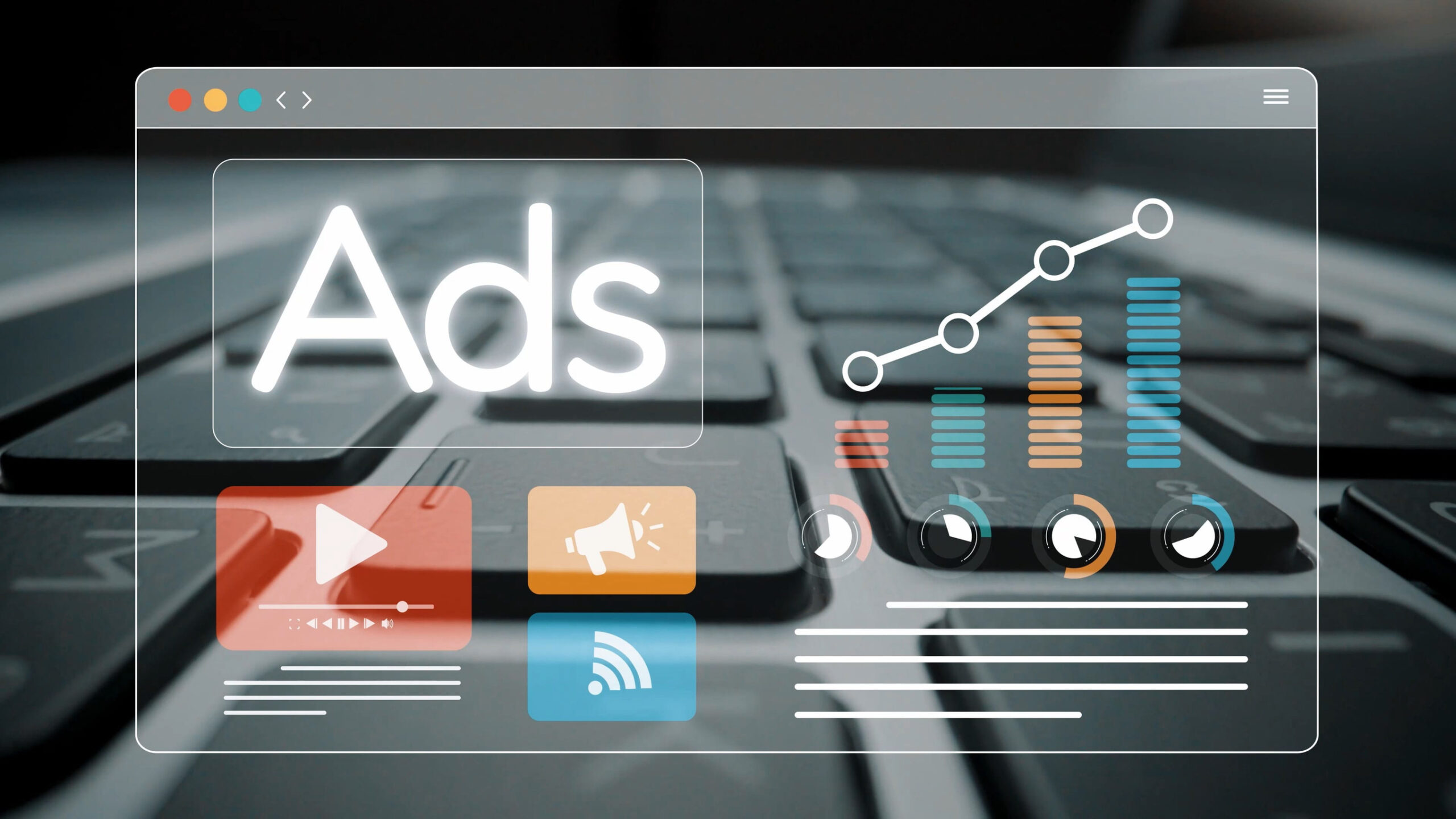
Innovative technology automates data collection and organization, simplifying result tracking through intuitive dashboards. These tools enable small teams to efficiently manage complex marketing tasks that previously required large departments.
- Automated Tracking: Systems record every click and call so you know exactly where your leads come from.
- Visual Reports: Complex numbers are turned into easy-to-read charts and graphs.
- Better Communication: Technology helps you respond to customer inquiries faster, which improves your reputation.
- Efficient Optimization: Tools can automatically shift your budget toward the ads that are performing the best.
Smart Tools to Scale Your Small Business Faster
Small businesses should look for tools that combine several functions into one place. A platform that tracks your SEO, social media, and digital services in one spot is much easier to manage. This “one-stop shop” approach saves time and keeps your data organized.
Critical Need for Campaign Tracking
Without tracking, you are essentially flying blind. Campaign tracking tells you which specific ad caused a customer to call your office or visit your store. This information is the only way to know if your marketing is actually working or if you need to change your approach.
How Does Reputation Management Affect Your Visibility?
Reputation management involves monitoring and shaping public perception of your business online. By tracking reviews, star ratings, and social media sentiment, you can use data to build the trust necessary for effective marketing. High-quality feedback directly enhances your visibility and credibility.
Significance of Online Reviews
Most customers check reviews before visiting a store or hiring a professional. Data indicates that higher ratings drive more engagement. Monitoring these insights enables you to engage happy customers and resolve complaints promptly.
Reputation Improvements Based on Data
Analyzing review patterns helps identify recurring business issues. For example, data showing slow response times allows for targeted customer service improvements. Addressing these factual concerns leads to better reviews and increased future growth.
What Are Comprehensive Marketing Solutions?
Comprehensive marketing solutions involve using many different methods together to reach your goals. Instead of only doing one thing, like social media, you use a mix of traditional services and digital ads. Data helps you find the perfect balance between these different types of advertising.
Advantages of a Full Suite of Services
Using a variety of services ensures that you reach customers wherever they are. Some people might see your ad on cable TV, while others find you through a Google search. When you use a comprehensive approach, these different ads work together to build a stronger brand.
Data Integration Across Marketing Channels
Data allows you to see how one type of marketing affects another. For example, you might see that your website traffic goes up every time a direct mail piece is delivered. This information helps you coordinate your campaigns so they all happen at the right time for maximum impact.
How to Drive Growth with Proven Results?
Proven results are the measurable outcomes that show your marketing is working, such as more sales or more leads. Data is the only way to prove these results to yourself and your stakeholders. By focusing on what the numbers say, you can stop guessing and start growing your business with confidence.
- Increased ROI: You see a clear return on every dollar you invest in your advertising.
- Higher Conversion Rates: More people who see your ads end up becoming actual customers.
- Market Expansion: Data helps you identify new areas or groups of people who might want your services.
- Long-Term Success: Consistent data analysis leads to steady growth over many years.
Relevant Success Stories to Consider
Look for examples where a business similar to yours used data to solve a specific problem. For instance, a home services company might have used data to find out that their customers prefer booking appointments online. Implementing that change based on data is a clear win for the business.
How Do You Measure ROI Effectively?
Calculate ROI by comparing marketing costs against profits from new customers. Data tracking simplifies this by mapping the entire customer journey from initial ad to purchase, providing the transparency needed for informed budgeting.
FAQ
Is data driven marketing only for large companies?
No, small businesses can benefit even more from data because they have smaller budgets and cannot afford to waste money. Even simple data like knowing your best-selling product or busiest time of day can make a huge difference.
How do I start collecting data for my business?
You can start by using free tools like Google Analytics for your website or by simply asking customers how they heard about you. Keeping a basic spreadsheet of your sales and where your leads come from is a great first step.
Do I need to be a math expert to use data?
Not at all. Modern marketing tools are designed to be easy to use and provide clear reports that anyone can understand. You don’t need to do the calculations yourself because the technology does it for you.
How often should I check my marketing data?
It is a good idea to look at your data at least once a month, though some businesses check it every week. Regular check-ins allow you to catch trends early and make small adjustments before they become big problems.
Turn Data Into Real Business Growth
Data driven marketing is a powerful tool that helps you understand your customers and spend your budget more wisely. By focusing on facts and using the right technology, you can turn your ideas into real opportunities for growth. Y Media Services helps you navigate this process, ensuring your marketing delivers the results you deserve.
Y Media Services provides the local expertise and innovative technology needed to turn your data into growth. Get in touch with us to see how our tailored strategies can help your business thrive today.